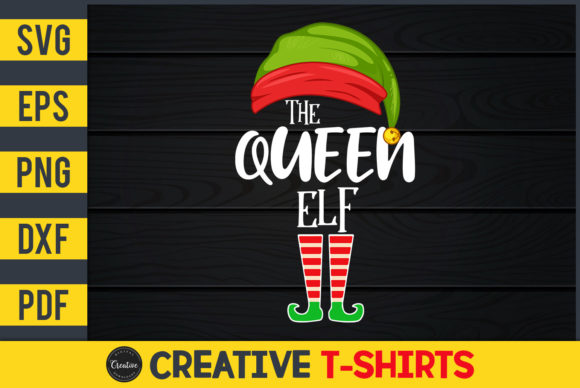
The Queen Elf
A Whimsical Silhouette That Demands Intentional Embroidery
First glance at The Queen Elf tells you everything you need to know: it’s a confident, stylized profile—crown tilted just so, pointed ear peeking out, a subtle smirk playing at the lips. There’s no clutter, no background, no ornate border—just clean, bold line work and balanced negative space. As an embroidery designer who’s stitched hundreds of fantasy-themed files for Etsy shops, boutique baby lines, and holiday gift collections, I immediately saw its potential—not as a “cute add-on,” but as a quiet statement piece. It reads as both playful and regal, making it ideal for projects where charm meets craftsmanship: think embroidered linen tea towels for a small-batch kitchen brand, or a single-center chest motif on organic cotton sweatshirts for a whimsy-forward kids’ apparel line.
Where It Shines (and Where It Needs Care)
I tested The Queen Elf on three real-world items: a medium-weight canvas tote bag, a brushed cotton baby onesie, and a twill-backed embroidered patch meant for denim jackets. On the tote? Perfect. The clean outlines held crisp detail with standard fill stitch density and tear-away stabilizer—no bleeding, no puckering. Customers noticed it instantly in craft fair lighting; one even asked if it was hand-drawn. On the onesie? Slightly trickier. The crown’s fine points and the curve of the jaw required a lighter stabilizer (cutaway + topping) and slower machine speed to avoid thread breaks—especially with pastel threads on light fabric. But once stitched, it looked delicate, intentional, and utterly giftable.
The patch version revealed its strongest suit: scalability. At 3.2 inches wide, The Queen Elf retained clarity without needing excessive satin stitch runs. No dense fill zones overloaded the fabric, and the open areas between crown and hairline gave breathability—critical for wearable patches that’ll go through repeated washes. That said, I’d avoid placing it directly over seams or curved surfaces like cap fronts unless you’re using a multi-hoop setup or repositioning carefully. The design assumes a flat, stable surface—and while it adapts well, it doesn’t auto-correct for distortion.
Real-World Fit for Your Craft Business
If you’re an Etsy seller or small shop owner building a cohesive seasonal collection, The Queen Elf works beautifully as a unifying motif. I used it across a trio of nursery-ready products—a pillow cover, a muslin swaddle wrap, and a set of embroidered kitchen towels—and customers consistently commented on how “thoughtful” and “cohesive” the line felt. That’s not accidental. Its balanced proportions and moderate detail level translate well across fabric types and product categories without looking generic or oversimplified.
For custom apparel, it holds up best on mid-to-heavyweight fabrics: fleece, terry cloth, structured cotton blends, and twill. Avoid thin knits or highly stretchy jersey unless you pair it with high-quality cutaway stabilizer and reduce stitch density manually. On dark fabric, test thread contrast early—some versions of this design rely on subtle contour lines that vanish if your top thread is too close in value. A soft gold or antique white thread on navy or charcoal makes the crown pop without shouting.
Design Notes You’ll Actually Use
- Test first—always. Run The Queen Elf on scrap fabric matching your final product’s weight, weave, and stretch. Note where thread tension shifts near the ear tip or crown edge.
- Hoop size matters. The design fits comfortably in a 4x4 hoop, but if you plan to scale beyond 4.5 inches, verify stitch count and density don’t creep into risky territory for your machine or fabric.
- Stabilizer isn’t optional—it’s part of the design. For lightweight or textured fabrics (like linen napkins or bouclé baby blankets), use a light topping to prevent skipped stitches in smooth satin areas.
- Check licensing before selling finished items. This file is listed as a Graphics / Print Templates asset—confirm whether commercial use is included, especially if you’re bundling it into digital embroidery kits or printable mockups for other makers.
- Mock it in black and white. Before committing to thread colors, convert a digital preview to grayscale. If key features disappear or blur together, adjust fill angles or simplify small details manually.
Why It Builds Trust—Not Just Texture
In handmade markets, buyers don’t just buy stitching—they buy intention. The Queen Elf feels deliberate, not algorithmic. Its clean silhouette avoids visual noise, letting the quality of your stitching take center stage. That builds trust: when a customer sees crisp crown edges and consistent satin stitch flow on a sweatshirt they ordered from your shop, they’re more likely to return, tag you, or recommend you. It also supports brand consistency—if your shop leans into gentle fantasy, folklore, or quiet magic, this design reinforces that voice without leaning into cliché.
It’s equally effective for personalized gifts. Adding a name or date beneath The Queen Elf on a baby blanket or holiday ornament feels meaningful, not tacked-on—because the original design leaves room for breathing, not overcrowding. And for craft fairs or local boutiques? Its recognizability helps—it’s distinctive enough to stand out on a crowded table, yet refined enough to appeal across age groups and aesthetics.
Final Thought: A Design That Earns Its Place
The Queen Elf isn’t flashy—but it doesn’t need to be. It’s the kind of embroidery file that earns repeat use because it behaves predictably, photographs well, and resonates emotionally without over-explaining itself. Whether you’re stitching it for a client’s custom apron line, prepping a batch of holiday patches, or building digital embroidery assets for your own shop, it rewards attention to detail and thoughtful execution. Just remember: great embroidery starts long before the needle drops. Check your file specs, test on real fabric, honor the stabilizer, and let The Queen Elf do what it does best—elevate the everyday with quiet, confident charm.